
Acupuncture For
Chronic Pain
Chronic Pain?
Symptom Relief
- Acupuncture is effective for the treatment of chronic pain.
- The effects of acupuncture persist over time.
- The benefits of acupuncture cannot be explained solely by the placebo effect.
Back Pain
Acupuncture is more clinically effective in pain relief and functional improvement than no treatment at short-term follow-up. It also found that acupuncture as an adjunct to conventional therapy provides short-term clinically relevant improvements in pain and functional measures for chronic low back pain.
Acupuncture may have a favorable effect on self-reported pain and functional limitations on nonspecific chronic low back pain, according to another systematic review and meta-analysis. However, the researchers noted that results depended on certain limitations to how therapy was administered.
Joint Pain
Acupuncture for OA in the hand, hip, and knee is conditionally recommended.
However, the Arthritis Foundation points out that while patients share anecdotal evidence that acupuncture has helped them. Acupuncture offers minimal pain and stiffness relief for OA. Additionally, the foundation notes that benefits stated by people who use acupuncture for OA may be partially due to “participants’ greater expectations that acupuncture can help.
Headache
Acupuncture Work?
- Western medical acupuncture (dry needling) is the use of acupuncture following a medical diagnosis. It involves stimulating sensory nerves under the skin and in the muscles.
- This results in the body producing natural substances, such as pain-relieving endorphins. These naturally released substances are responsible for the beneficial effects experienced with acupuncture.
- A course in acupuncture is usually recommended because it can take a few sessions for you to see improvements.
- Traditional acupuncture is based on the belief that an energy, or "life force", flows through the body in channels called meridians. This life force is known as Qi (pronounced "chee").
- Practitioners traditionally use acupuncture and believe that when Qi does not flow freely through the body, this can cause illness. They also believe acupuncture can restore the flow of Qi, and so restore health.
Chronic Pain?
other acupuncture techniques?
- Moxibustion (application of heat)
- Chinese massage (Tui Na)
- Exercise
- Diet
- Herbs
- Cupping (where a cup is applied to the skin, and the pressure in the cup is decreased, drawing the skin and muscles up into the cup).
Chronic Pain?
- Alternative treatments that have been shown to relieve chronic pain over time includ
- Acupuncture uses small needles placed in the body.
- Aromatherapy uses aromatic plants and essential oils.
- Biofeedback teaches you how to tweak the way your body works, influencing such things as heart rate, breathing, and muscle tension.
- Herbs Hypnotherapy, or hypnosis.
- Mindfulness training teaches you how to calm yourself.
- Music, art, or pet therapy. Reiki or Healing Touch™, with a therapist using touch to change energy fields in your body.
- Relaxation techniques, such as massage, meditation, and guided imagery.
Acupuncture
- Medical doctors can receive extra training in acupuncture. Many of these doctors are members of the American Academy of Medical Acupuncture. Visit the referral directory on that group's website.
- People specifically train in acupuncture after completing a multiyear master’s program in acupuncture or TCM and passing a national certification exam. You can find a certified practitioner on this website.
- Naturopathic physicians are trained to give acupuncture. Find a practitioner at the website of the American Association of Naturopathic Physicians. Put your ZIP code into the group's online directory.
During An Acupuncture Session
During an acupuncture visit, an acupuncturist will ask about your medical history and any symptoms you’re experiencing and examine you. Then a treatment plan will be created based on their evaluation of the causes and perpetuating factors for your concerns, similar to other health practitioners.
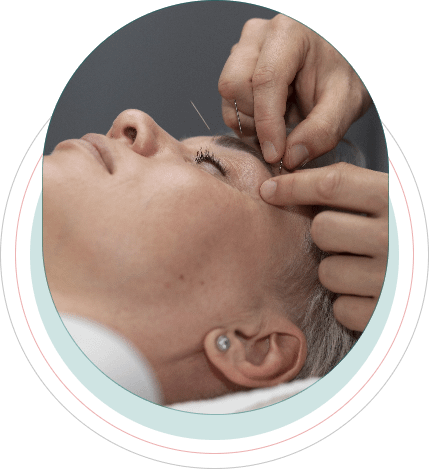
For the specific acupuncture treatment, they’ll have you sit or lie down on a table, often in a dimly lit room, and they will insert needles into acupuncture points on areas of your body.
Needles typically remain inserted between 20 and 45 minutes while you rest comfortably in the treatment room. Some practitioners may also include moxibustion, cupping, acupressure, electrical stimulation to the needles, or external heat to your body.
Practitioners will often include you in your care by providing homework, such as dietary or lifestyle recommendations. While sessions may vary in time depending on your needs, the first session may last one to two hours, and sessions after that can range on average from 30 minutes to an hour.
While you might wonder if acupuncture will hurt, many people describe their first session as pleasurable and relaxing, and most even fall asleep. Other ways people describe feeling after acupuncture include:
- Floating with a tingling, warm sensation
- Heaviness, heat, and cold
Acupuncture Treatment
Acupuncture points are situated in all areas of the body. Sometimes the appropriate points are far removed from the area of your pain.
Your acupuncture practitioner will tell you the general site of the planned treatment and whether you need to remove any clothing. A gown, towel, or sheet will be provided. You lie on a padded table for the treatment, which involves:
Needle insertion.
Acupuncture needles are inserted into various depths at strategic points on your body. The needles are very thin, so insertion usually causes little discomfort. People often don't feel them inserted at all. The typical treatment uses 5 to 20 needles. You may feel a mild aching sensation when a needle reaches the correct depth.
Needle manipulation.
Your practitioner may gently move or twirl the needles after placement or apply heat or mild electrical pulses to the needles.
Needle removal.
In most cases, the needles remain in place for 10 to 15 minutes while you lie still and relax. There is usually no discomfort when the needles are removed.
Acupuncture
Acupuncture practitioners – sometimes called acupuncturists – use acupuncture to treat a wide range of health conditions. However, the use of acupuncture is not always based on rigorous scientific evidence.
The National Institute for Health and Care Excellence (NICE) provides guidelines for the NHS on the use of treatments and care of patients.
- Chronic (long-term) pain
- Chronic tension-type headaches
- Migraines
- Prostatitis symptoms
- Hiccups
- Joint and muscle pain
- Jaw pain Cancer symptoms such as pain
- Side effects of cancer treatment such as feeling or being sick from chemotherapy
- Feeling sick or being sick after surgery
Risks
The risks of acupuncture are low if you have a competent, certified acupuncture practitioner using sterile needles.
Common side effects include soreness and minor bleeding or bruising where the needles were inserted. Single-use, disposable needles are now the practice standard, so the risk of infection is minimal. Not everyone is a good candidate for acupuncture.
Have a bleeding disorder.
Have a pacemaker.
Are pregnant.
Results
The benefits of acupuncture are sometimes difficult to measure, but many people find it helpful as a means to control a variety of painful conditions.
Several studies, however, indicate that some types of simulated acupuncture appear to work just as well as real acupuncture. There’s also evidence that acupuncture works best in people who expect it to work.
Acupuncture has few side effects, so it may be worth a try if you’re having trouble controlling pain with more-conventional methods.
FAQ's

How many acupuncture treatments are needed for chronic pain?
Number of acupuncture sessions needed
Acute cases: 3-6 treatments for a lasting resolution. Chronic cases: 6-10 treatments for positive changes, 10-20 sessions for consolidation of changes, and more lasting changes.
What is the role of acupuncture in relieving pain?
Can acupuncture help with chronic inflammation?
What are the general facts about acupuncture?
- There are More than 2,000 Acupuncture Points.
- It Doesn't Hurt and is Relaxing.
- Acupuncture Has Been Around for Thousands of Years.
- Acupuncture is Regulated.
- Can be Used with Electricity.
- Acupuncture Treats.
- Everything from Pain to Infertility.