
Allergies
Allergies ?
Symptom Relief
Depending on the substance involved, it can affect your airways, sinuses and nasal passages, skin, and digestive system.
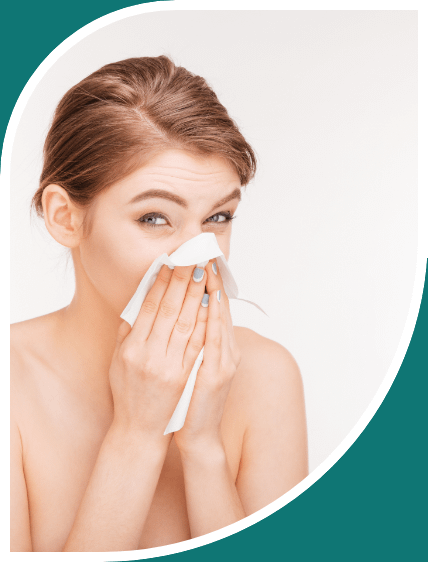
Hay fever, also called allergic rhinitis, can cause:
- Sneezing
- Itching of the nose, eyes, or roof of the mouth
- Runny, stuffy nose
- Watery, red, or swollen eyes (conjunctivitis)
- Anaphylaxis
- Watery, red, or swollen eyes (conjunctivitis)
An insect sting allergy can cause:
A drug allergy can cause:
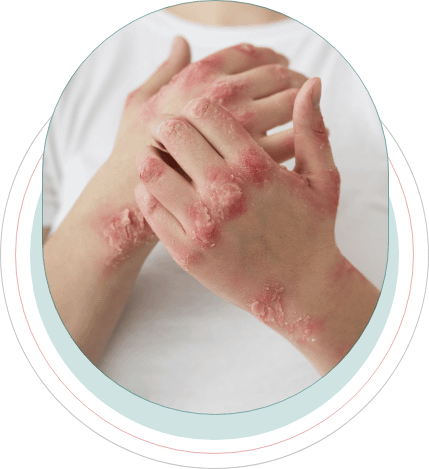
Atopic dermatitis, an allergic skin condition also called eczema, can cause skin to:
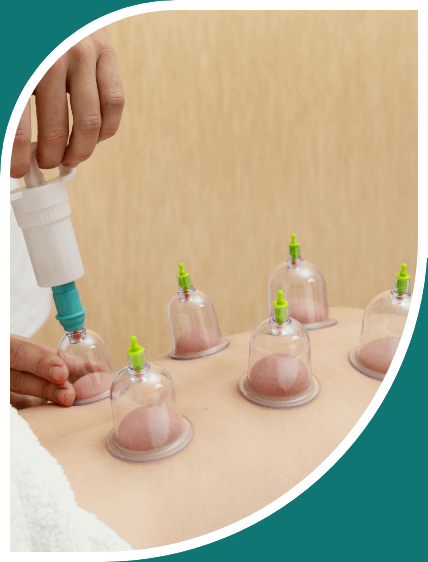
Acupuncture Work?
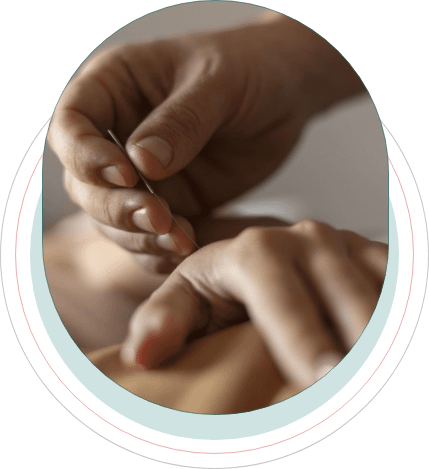
During an acupuncture session, a licensed acupuncturist will apply several thin needles into different areas of your skin—called acupuncture points. Your body contains thousands of these acupuncture points, which are all thought to be attached to pathways in the body called meridians. Each meridian is associated with an organ or system in the body, and an acupuncturist will target points and meridians based on the health issue you’re seeking treatment for.
The acupuncture points targeted for allergies will be different from those targeted for say, back pain or headaches.
Allergies?
other acupuncture techniques?
- Allergen avoidance. Your provider will help you take steps to identify and avoid your allergy triggers.
- Medications. Depending on your allergy, medications can help reduce your immune system reaction and ease symptoms.
- Immunotherapy.
- Emergency epinephrine.
How many acupuncture treatments are needed for allergies?
Acupuncture
During An Acupuncture Session
Acupuncture Treatment
Allergen avoidance.
Your doctor will help you take steps to identify and avoid your allergy triggers. This is generally the most important step in preventing allergic reactions and reducing symptoms.
Medications
Depending on your allergy, medications can help reduce your immune system reaction and ease symptoms.
Immunotherapy
For severe allergies or allergies not completely relieved by other treatments, your doctor might recommend allergen immunotherapy. This treatment involves a series of injections of purified allergen extracts, usually given over a period of a few years. Another form of immunotherapy is a tablet that's placed under the tongue (sublingual) until it dissolves. Sublingual drugs are used to treat some pollen allergies.
Acupuncture
Risks
Pain and bruising
Injury
If performed improperly, needles could be pushed into the skin too deeply and injure an organ or lung.
Infection
Results
Allergies are common and don’t have life-threatening consequences for most people. People who are at risk of anaphylaxis can learn how to manage their allergies and what to do in an emergency.
Most allergies are manageable with avoidance, medications, and lifestyle changes.
FAQ's

What is the best acupuncture point for allergy?
What are the 7 acupuncture points?
How long does acupuncture last?
What are the general facts about acupuncture?
- There are More than 2,000 Acupuncture Points.
- It Doesn't Hurt and is Relaxing.
- Acupuncture Has Been Around for Thousands of Years.
- Acupuncture is Regulated.
- Can be Used with Electricity.
- Acupuncture Treats.
- Everything from Pain to Infertility.