
Anxiety
Anxiety?
Symptom Relief
- Panic, fear, and uneasiness
- Feelings of panic, doom, or danger
- Sleep problems
- Not being able to stay calm and still
- Cold, sweaty, numb, or tingling hands or feet
- Shortness of breath
- Breathing faster and more quickly than normal (hyperventilation)
Acupuncture Work?
Ancient Chinese medicine describes an energy force called Qi that regulates the body’s overall health, according to the University of Chicago Medicine. Like blood in the circulatory system, Qi moves throughout the body via pathways called meridians.
When factors like injury, stress, poor nutrition, or a change in environment disrupt the flow of Qi, health issues follow, according to the University of Miami Health System.
By inserting needles at specific points in the body, acupuncturists restore the balance of Qi and the body’s overall health, University of Chicago Medicine reports.
Acupuncturists insert each needle half a millimeter away from a nerve. Depending on where the needles go, acupuncture can cause the nervous system to produce painkilling chemicals, jump-start the body’s natural ability to heal itself, or stimulate the part of the brain that controls emotions, including anxiety. All of these results, Hsu adds, can help people feel more balanced and treat a variety of illnesses.
Anxiety?
Acupuncture may help with anxiety for some people. There have been studies that showed this therapy reduced anxiety symptoms.
However, these results may not apply to people who experience generalized anxiety that occurs in many situations or have specific anxiety disorders. Because there are different types of anxiety and anxiety disorders, it is important to differentiate how acupuncture affects each one.
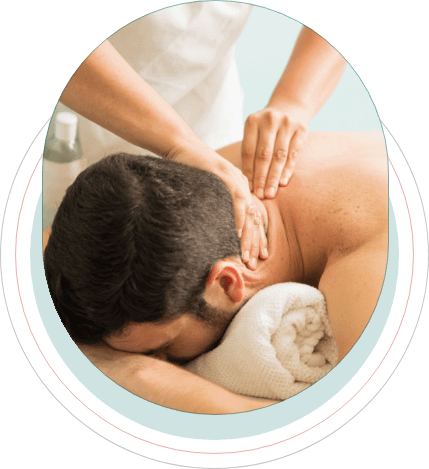
other acupuncture techniques?
- Pay attention to your diet
- Try ear seeds
- Get moving
- Breathe deeply
- Herbs Self-massage
- Maintain social connections
Anxiety?
Your acupuncturist will work with you to understand your health goals before placing any needles in your skin. As part of your initial assessment, you’ll do a thorough walkthrough of your medical history with your practitioner. Then, you’ll relax on a comfortable table, typically face up, while very fine needles—about the width of a hair—are carefully inserted under the surface of your skin. When placed correctly, they shouldn’t hurt.
But the needles don’t just go in random spots across your body. They need to be inserted into acupoints—very specific locations based on your physical or mental symptoms. Points for anxiety may include your breastbone, ears, between your eyebrows, or the insides of your wrists.
Acupuncture
When it comes to trying acupuncture, you have nothing to lose, Hsu says. With a certified acupuncturist, the risks are almost nonexistent and are far outweighed by the potential benefits. The majority of Eshkevari’s patients have told her they sleep better and have a stronger sense of overall well-being after just a few sessions.
If you’re already receiving treatment for anxiety, Eshkevari suggests adding acupuncture to your current regimen. If you decide it works for you, you can work with your doctor to wean off anxiety medication. First, though, contact your insurance provider to find out whether it covers any acupuncturists in your area. Then talk with a practitioner — ask questions and openly discuss a potential treatment plan.
During An Acupuncture Session
When you go in for your first appointment, your acupuncturist will start by asking you which symptoms you’re looking to treat. They’ll also ask about any medications you take, your medical history, and any other health concerns you have. This is a good time to ask any lingering questions you have about the process.
During your actual session, they’ll insert long, thin needles into different pressure points on your body. Depending on the pressure points used, this could take anywhere from 10 to 30 minutes. Your acupuncturist might also twist the needles or apply an electrical pulse to them. They’ll leave the needles in for up to 20 minutes before carefully removing them.
You likely won’t feel instant gratification. Most acupuncture treatments are intended to be repeated. Some people report immediate improvements but most notice subtle and gradual changes with repeated visits.
Before you go, make sure you understand the costs involved. Some health insurance plans cover acupuncture for medical or mental health conditions, including anxiety, but others don’t.
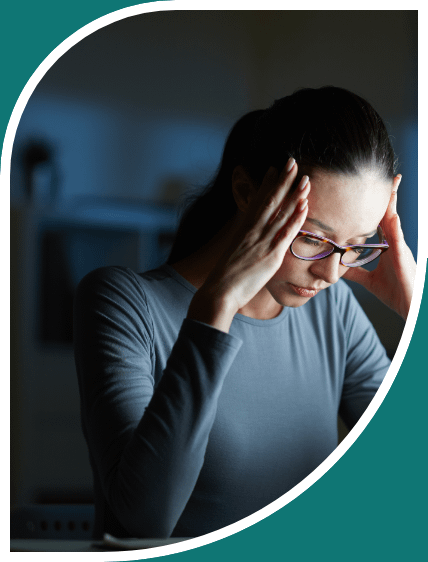
Acupuncture Treatment
During your actual session, they’ll insert long, thin needles into different pressure points on your body. Depending on the pressure points used, this could take anywhere from 10 to 30 minutes. Your acupuncturist might also twist the needles or apply an electrical pulse to them. They’ll leave the needles in for up to 20 minutes before carefully removing them.
You likely won’t feel instant gratification. Most acupuncture treatments are intended to be repeated. Some people report immediate improvements but most notice subtle and gradual changes with repeated visits.
Acupuncture
There have been several studies done about the effects of acupuncture on anxiety. These studies have focused mostly on generalized anxiety disorder and suggest that acupuncture helps treat general anxiety.
While we need to better understand how acupuncture affects anxiety, panic attacks, and phobias, research is showing promise for acupuncture as a viable and safe option. If you have anxiety that hasn’t responded to other treatment methods, or you’re simply interested in trying something new, acupuncture shouldn’t worsen your symptoms.
Risks
While acupuncture won’t make your anxiety worse, it does come with some possible side effects and risks. You can avoid most of these by making sure you see a licensed acupuncturist. In the United States, license requirements vary from state to state, but most require taking an exam from the National Certification Commission for Acupuncture and Oriental Medicine.
The main side effect that people experience with acupuncture is soreness following a session. This usually goes away within a few hours, though it can also leave some bruising. Some people also feel pinpricks of pain during a session.
Licensed acupuncturists are required to use sterile, disposable needles. You could get an infection if your practitioner didn’t use properly sterilized needles. The Mayo Clinic notes that these complications are very uncommon if you see an experienced, certified acupuncturist.
People with some health conditions shouldn’t have acupuncture. You should avoid acupuncture if you:
- Have a pacemaker
- Have a bleeding condition, such as hemophilia
It’s also important to keep up with any ongoing anxiety treatment, including prescribed medications while getting acupuncture. You shouldn’t stop any medications without first discussing them with your doctor.
Results
Acupuncture therapy aimed at reducing anxiety in patients with Generalised anxiety disorder has certain beneficial effects compared to non-acupuncture therapy. More high-quality Randomised controlled trials should be conducted to fully understand the role of acupuncture in the treatment of anxiety disorder.
FAQ's

How Many Sessions Of Acupuncture Are Needed For Anxiety?
How Successful Is Acupuncture For Anxiety?
Can Acupuncture Improve Mental Health?
How long does acupuncture take for anxiety?